
Yakima River History
From basalt canyons to blue-ribbon waters.
Where We Call Home

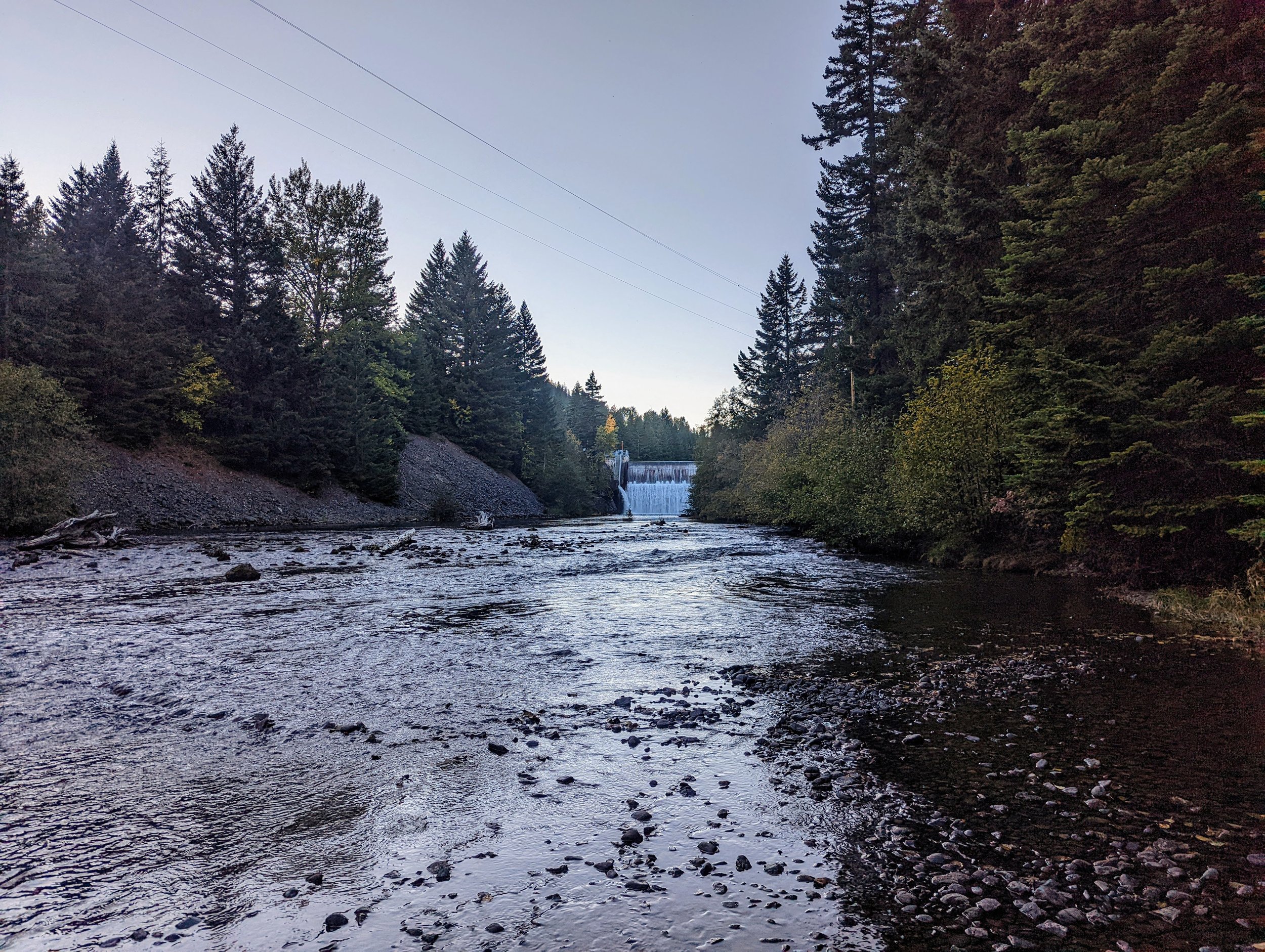
Long before Roslyn became a mining town in 1886, the Yakama people cared for these rivers and forests. When the Northern Pacific Railroad pushed through the valley, coal mining followed, and the town of Roslyn grew around it. More than a century later, Crow Creek sits in the heart of that same downtown.
Today, Pennsylvania Avenue is lined with small shops, cafes, and creative spaces that share the street with Crow Creek. Whether you’re grabbing coffee, browsing local art, or picking up flies for the river, Roslyn keeps its small-town spirit alive. It’s a place where people still look out for each other and care deeply for the land and water that connect us.
Waters That Connect Us

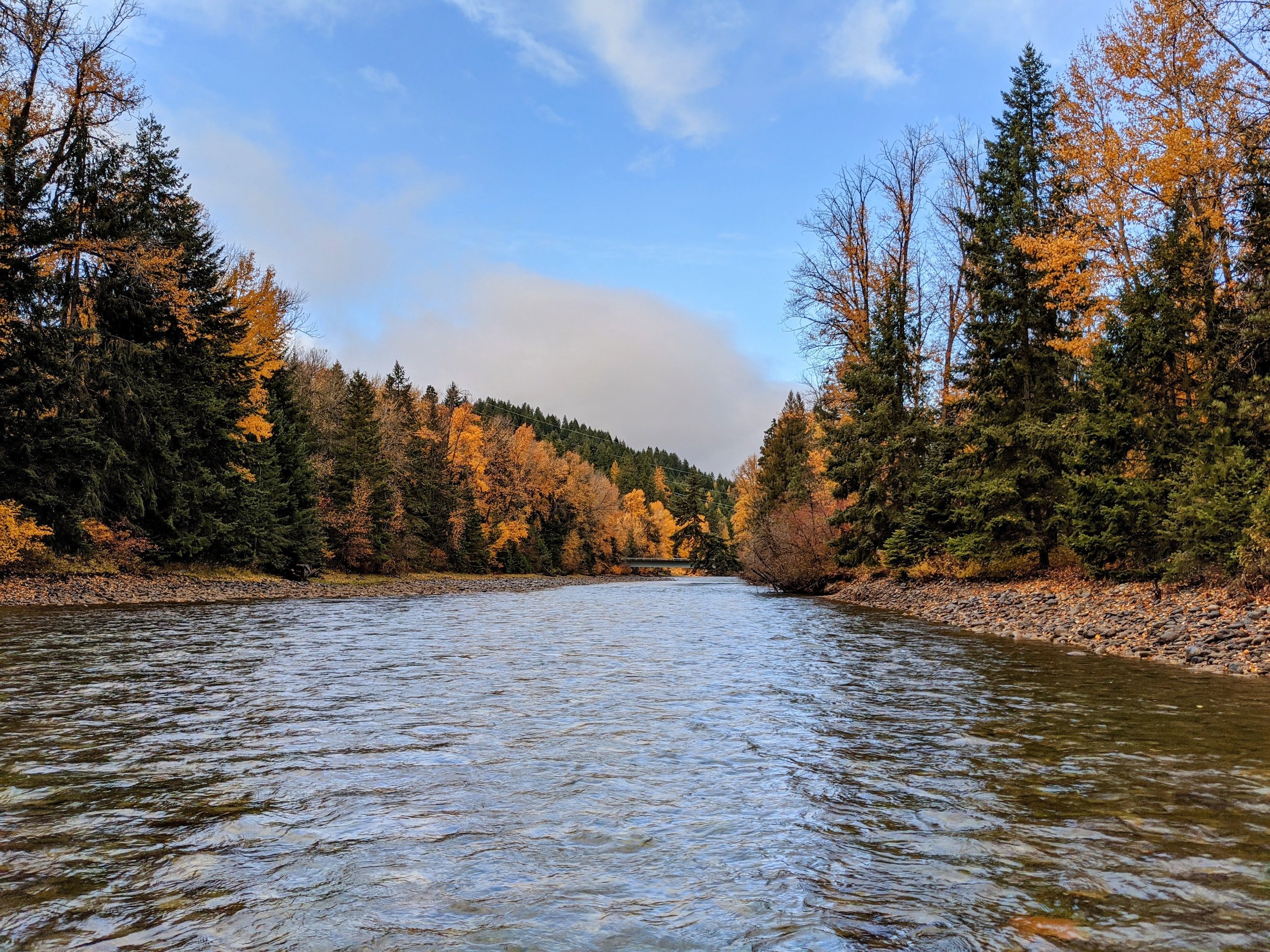
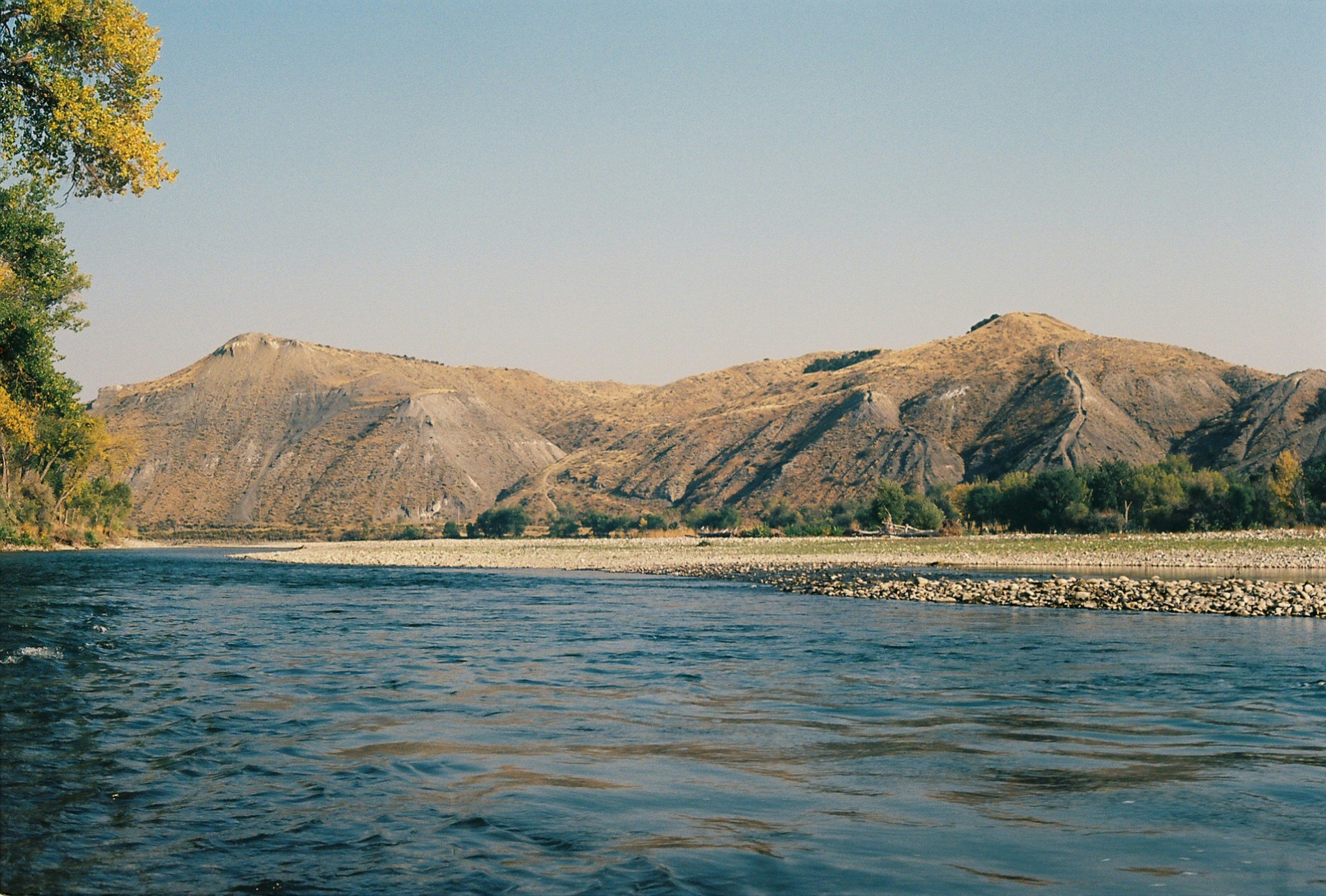
Through thick layers of basalt, the Yakima River carved the canyons we know today. Over 200 miles of water wind through Central Washington, shaping the land and providing essential habitat for the people, plants, and wildlife that depend on it.
In the early 1900s, the first dams were built to control flows and supply irrigation for growing farms. Those systems fueled development across the valley but they also changed the river forever. Once home to thriving runs of salmon and steelhead, the Yakima saw its native fish struggle as habitat was lost and migration routes were blocked.
Years of drought and habitat degradation have left their mark, but they’ve also inspired action. From local communities to regional conservation groups, efforts to restore the Yakima Basin continue. The river remains resilient and today it’s recognized as Washington’s only blue ribbon trout fishery.
Learn more about ongoing conservation projects and how you can get involved.